
Sample Management for Phone Research: Building and Maintaining Clean Contact Lists

Sample management for phone research turns a raw contact list into a sample frame every completed interview can be traced back to. Four steps do that work. Define who counts per account, clean the list before dialing, release the sample in batches, and record every disposition.
How to write survey scripts that get honest, useful answers

A CSAT survey questionnaire becomes an honest phone script when every line is written to be heard, not read. The script needs a fixed opening, full scales read identically on every call, and neutral probes written before the first dial. Pilot calls then test the answers.
Win/loss analysis calls: how to learn why you’re winning (and losing) deals

Win/loss analysis means interviewing buyers after deals are won, lost or end with no purchase, to learn what decided each. Run it by phone. Use an interviewer with no stake in the sale, call each buyer within four weeks of the decision, and record only with consent.
Competitive intelligence by phone: how to gather insights ethically and effectively

Competitive intelligence research by phone means interviewing the people who deal with a competitor from the outside: customers, lost prospects, partners and experts. Name yourself and your firm first. Then decline anything a source owes someone else in confidence, and organize what you hear around one decision.
What Does Outsourced Appointment Setting Cost? Pricing, Models, and ROI

Appointment setting services cost $176 to $264 per appointment set in one published healthcare program, priced in 160-hour blocks. Quotes come in three pricing models. Convert any quote to cost per held appointment, then test it against your own deal size and close rate before you sign.
How to Onboard an Outsourced Appointment Setting Team in 2 Weeks

Outsourced appointment setting services go live inside two weeks when your team delivers four inputs in the first days. The four: profile, criteria, list and calendar access. We set up in 5 to 14 days, with the first appointments set 48 to 72 hours after go-live.
Appointment Setting KPIs: Benchmarks for Connect Rates, Set Rates, and Show Rates

Appointment setting services are judged on connect rate, set rate and show rate, then on cost per held appointment. Each benchmark needs its conditions. One provider publishes 11% to 13% connect rates on corporate main lines and 70% to 85% show rates with four checks and 24-hour confirmation.
How to Handle the Top 10 Objections in Appointment Setting Calls
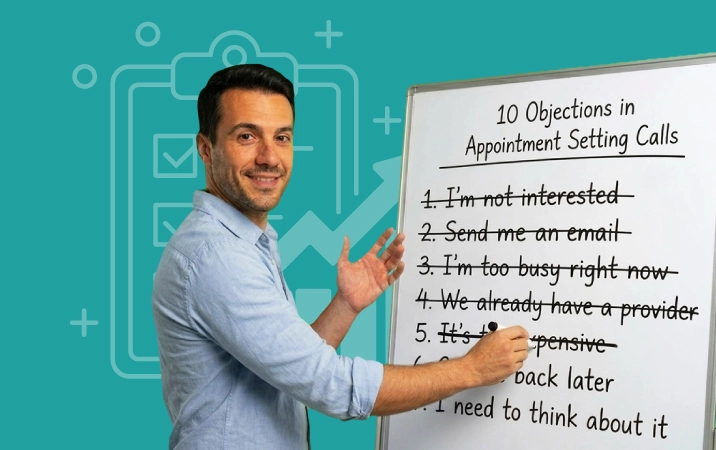
B2B appointment setting objections are reasons a decision-maker gives for not setting a time, and each gets one scripted reply. Acknowledge it, ask one question, offer two times. A request to stop calling is not an objection: the setter confirms the removal and ends the call.
Cold Call to Booked Meeting: The Step-by-Step Process

B2B appointment setting services decide which prospects reach your closer’s calendar by testing each one against qualification criteria agreed before calling starts. Write those criteria down first. List the role, budget authority, need and time frame a prospect must confirm, plus disqualifying answers, then test them against your closers’ first conversations.
How to define qualification criteria for your appointment setting campaign

B2B appointment setting services decide which prospects reach your closer’s calendar by testing each one against qualification criteria agreed before calling starts. Write those criteria down first. List the role, budget authority, need and time frame a prospect must confirm, plus disqualifying answers, then test them against your closers’ first conversations.
When to Hire a Compliance Consultant vs. a TCPA Attorney: Understanding the Difference
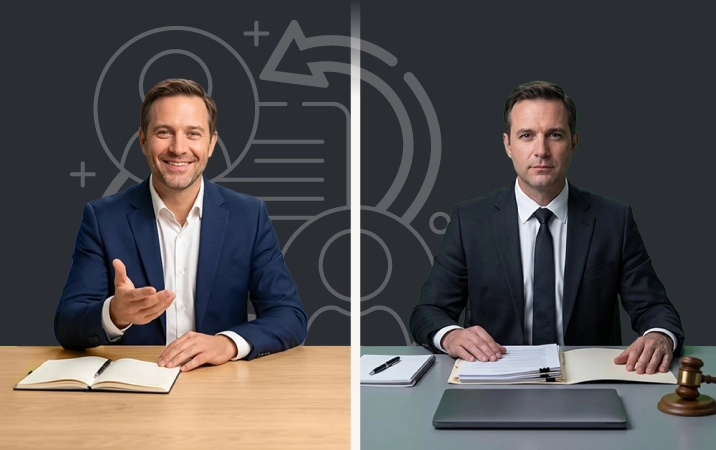
Hire a TCPA attorney when the question is legal: a demand letter, a lawsuit, a regulator’s inquiry, or an unsettled rule. A compliance consultant answers the operational question: whether consent records, do-not-call list checks and opt-out handling hold up on every call. After a claim, hire both: attorney first.
Annual FCC and state telemarketing regulation update: what changed in 2026
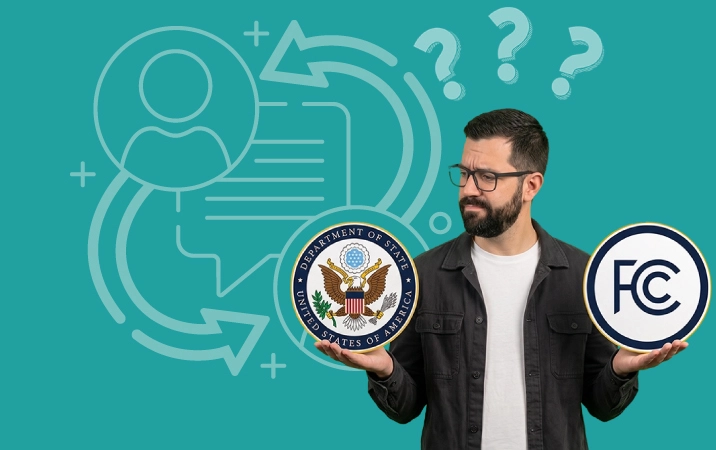
Telemarketing rules changed on four fronts in 2026. The FCC rewrote its opt-out rules, effective 30 days after Federal Register publication, and Pennsylvania, Virginia and Oregon tightened their telemarketing laws. Two regional appeals courts narrowed lawsuits over texts and written consent; the FTC held its $53,088 penalty and raised Do Not Call Registry fees.
Compliance Training for Telemarketing Agents: What to Cover and How Often
Agent compliance training is a named element of the federal do-not-call safe harbors, not a best practice. Cover consent, DNC handling, calling hours, required disclosures, revocation and documentation. Train before an agent’s first dial, refresh annually, and retrain whenever a rule, a state, or a campaign changes. Keep the records for five years.
How to Keep Your Telemarketing Scripts TCPA-Compliant

A TCPA-compliant script builds the required disclosures into the words agents actually say. It identifies the caller and the company within the first few seconds, states that the purpose of the call is to sell, uses fixed wording to capture consent, and gives agents an exact path to stop the call when someone asks not to be contacted again.
SMS and Text Outreach Compliance: TCPA Rules for Business Texting in 2026

Business texting answers to three rulebooks at once. The TCPA governs consent and opt-outs, carrier 10DLC registration decides whether your messages are delivered at all, and state telemarketing statutes now name text messages directly in at least a dozen states. A program can satisfy one of the three and fail the other two.
DNC scrubbing best practices: frequency, tools, and the mistakes that lead to fines
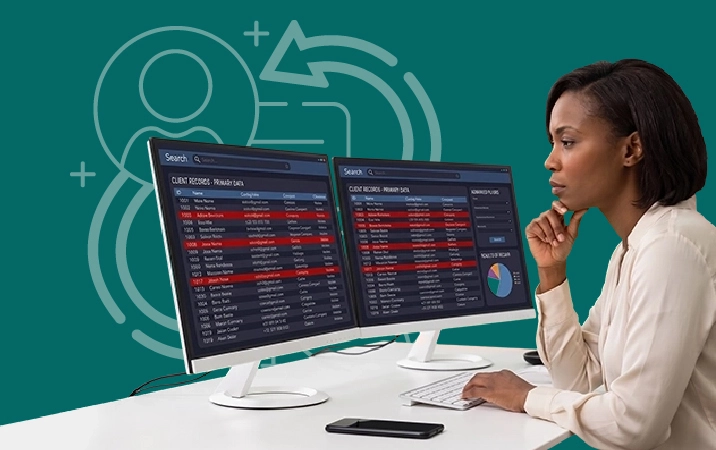
Federal rules let you dial using a version of the national Do Not Call registry obtained up to 31 days earlier. That is the outer limit, not the operating cadence. Programs that hold up under scrutiny refresh federal and state registry data on a set schedule, suppress internal opt-outs continuously, and keep records showing which version of the registry was used for which call.
Prior Express Written Consent (PEWC): How to Collect, Store, and Document It Properly
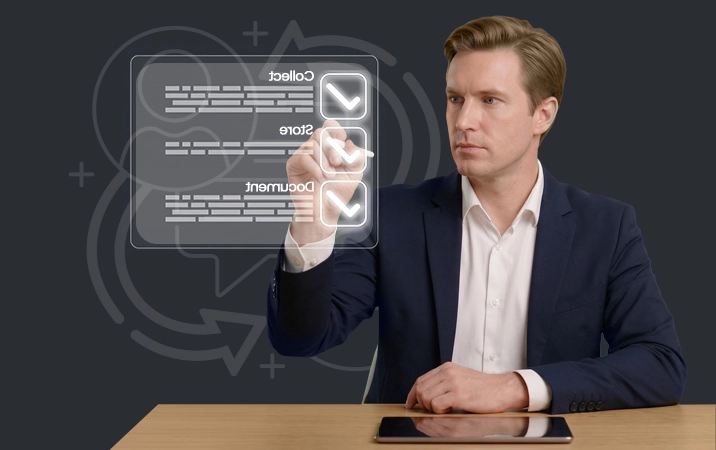
What prior express written consent means under the TCPA, what the disclosure has to say, how to store the record, and how to prove it when a demand letter arrives.
Call recording laws by state: what’s legal and what will get you sued
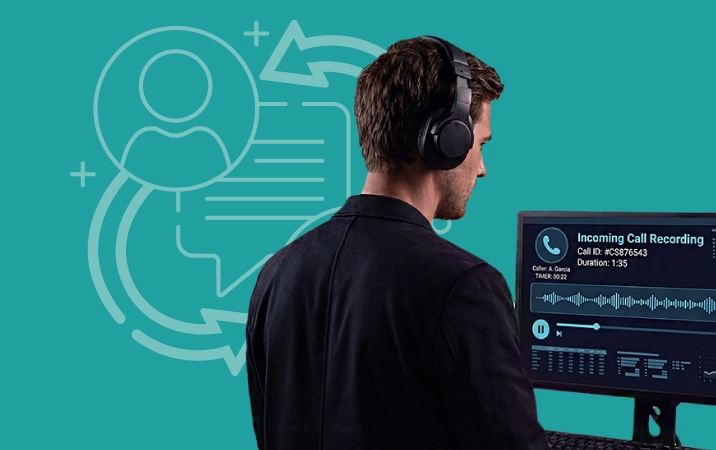
Which states require all-party consent to record a call, which ones are contested, and how to set up a recording policy that holds up across a multi-state campaign.
TCPA Penalties and Enforcement: Real Cases and What They Cost Companies
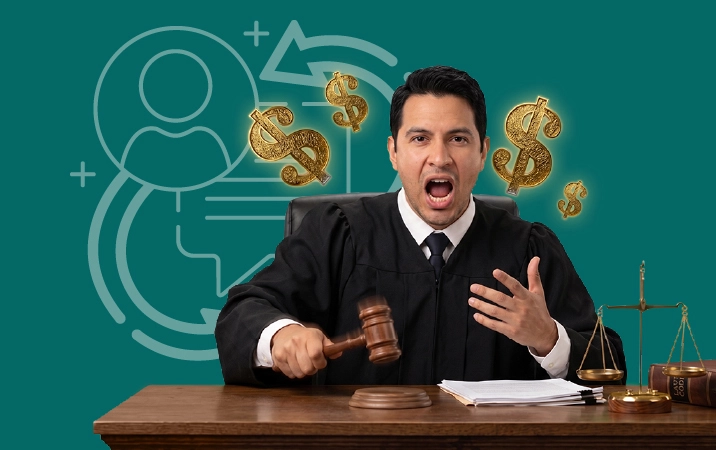
TCPA penalties explained through real enforcement cases: statutory damages per call, treble damages for willful violations, and what the biggest settlements actually cost.
The Telemarketing Sales Rule (TSR) Explained: What Every Outbound Team Needs to Know

The Telemarketing Sales Rule sets the FTC’s ground rules for outbound calling: who it applies to, what every call has to include, the DNC and calling-hour requirements, and where it overlaps with the TCPA
Telephone Consumer Protection Act: A plain-english compliance guide

The Telephone Consumer Protection Act (TCPA), codified at 47 U.S.C. § 227, is the federal statute governing outbound voice calls, automated dialers, prerecorded messages, and commercial SMS text messages. Enforced by the Federal Communications Commission (FCC), the law establishes strict prior consent mandates, mandatory Do Not Call (DNC) list hygiene, and severe statutory fines ranging from $500 to $1,500 per non-compliant transmission
How to Evaluate an Outsourced B2B Lead Generation Provider
Evaluating b2b lead generation companies requires auditing agent attribution models, real-time list hygiene protocols, quarter-hour utilization transparency, and strict TCPA operational controls.
Lead Generation for Financial Services: Reaching Decision-Makers in a Regulated Industry

Executing outbound B2B lead generation in the financial sector requires a structured script framework that balances aggressive gatekeeper navigation with absolute FINRA, SEC, and TCPA compliance.
Lead Generation for SaaS Companies: How Outbound Calling Fills the Pipeline

SaaS growth teams relying solely on digital channels routinely face pipeline stagnation. Targeted outbound calling helps break this acquisition bottleneck by connecting business development reps with key software decision-makers.
Lead Generation for Healthcare Companies: Compliance, Targeting, and Best Practices

B2B healthcare lead generation requires dual-layer regulatory compliance across HIPAA and TCPA guidelines paired with role-specific outreach to navigate matrixed clinical buying committees.
The Real Cost of Building an In-House Lead Gen Team vs. Outsourcing

Deploying outsourced lead generation eliminates recruitment delays, software licensing burdens, and turnover liabilities while delivering immediate campaign execution. Enterprise sales leaders lower cost per qualified meeting by 40% to 60% by leveraging external calling infrastructure.
Lead Generation KPIs: What to Track and What Benchmarks to Expect

Tracking outbound B2B lead generation metrics requires looking past vanity indicators to isolate structural pipeline velocity. Healthy phone-based campaigns achieve a 4%–8% connect rate on scrubbed contact data and convert 5%–12% of connected dials into Marketing Qualified Leads (MQLs).
How to Define Your Ideal Customer Profile for Outbound Campaigns

An Ideal Customer Profile (ICP) for B2B outbound campaigns defines the categorical boundaries- firmographic, technographic, and financial- of the specific accounts that generate maximum contract value and maintain positive unit economics.
Multi-Touch Outreach: Combining Calls, Emails, and SMS for B2B Lead Gen

Integrating email marketing b2b lead generation with SMS and targeted dials builds an active pipeline, yielding immediate qualitative market feedback that automated tracking sequences cannot replicate alone.
Cold Calling vs. Warm Calling: The Shift Every Sales Team Needs to Make

Professional cold calling services provide the operational infrastructure, trained agents, and software stack required to run outbound sales campaigns at scale.
Phone-Based Lead Gen vs. Digital-Only: Why Voice Still Converts

The reality is that while digital-only lead generation channels provide raw click volume, human-to-human phone outreach secures higher baseline conversion rates by bypassing digital ad fatigue and executing real-time contact validation.
How to Measure Your Outsourced Telemarketing Partner’s Performance

Deploying an external calling asset introduces immediate operational and brand risks if your provider lacks a structured integration blueprint. Launching a campaign without rigid baseline parameters causes message drift, compliance leakage, and initial conversion drops.
Red Flags to Watch for When Choosing a Telemarketing Company

Hiring an external call center introduces immediate operational and compliance risks to your pipeline if the vendor relies on hidden metrics. Many outbound operations mask low connect rates behind generic bulk-dialing reports.
Nearshore vs. Offshore vs. U.S.-Based Telemarketing: Pros, Cons, and When Each Makes Sense

Choosing between offshore, nearshore, and domestic telemarketing outsourcing requires balancing immediate per-hour cost savings against long-term operational risk and statutory liability.
How to Onboard an Outsourced Telemarketing Team Without Losing Quality

Onboarding an outsourced telemarketing team requires a strict, structured blueprint to protect customer databases, verify legal tracking profiles, and maximize floor momentum.
How to Evaluate a Telemarketing Outsourcing Partner: 12 Questions to Ask

Evaluating a telemarketing outsourcing partner requires looking past vague marketing claims and focusing on hard operational metrics. The right partner must enforce compliance, maintain strict agent-to-QA ratios, and drive consistent connect rates to protect your brand from systemic risk.
What Does Outsourced Telemarketing Actually Cost? Pricing Models Explained

Outsourced telemarketing costs between $25 and $70 per hour for domestic agencies based in North America or Western Europe, while offshore teams typically rate between $8 and $25 per hour. Your total expenditure depends on whether the vendor bills on flat hourly operational time, pure performance outcomes, or a blended hybrid infrastructure.
Inbound vs. Outbound Telemarketing: Key Differences and When to Use Each

The difference between inbound and outbound telemarketing comes down to who places the call: with outbound telemarketing services, your agents call out to prospects and customers; with inbound, customers call you.
How to Build a B2B Sales Lead List That Actually Converts

A B2B sales lead list converts when two things are true: the contacts match who you actually sell to, and their details are current enough to reach them.
The $1,500 Text: How Zip Codes Predict Your Legal Risk

We are currently seeing a massive judicial split in which your recipient’s physical location determines whether a marketing text is a harmless notification or a high-stakes violation. In aggressive jurisdictions like Florida, New York, and California, it’s a literal math equation used by plaintiffs to calculate statutory damages.